
Property Sale in Sebokeng: A Professional Guide for Buyers, Sellers, and Investors
Introduction
The real estate market in South Africa has undergone significant transformation over the past two decades, driven by population growth, urban expansion, infrastructure development, and shifting economic dynamics. Within this evolving landscape, the township of Sebokeng—situated in the Emfuleni Local Municipality within the Vaal Triangle—has emerged as a focal point of attention for homeowners, property investors, and developers. As increasing numbers of buyers and investors seek affordable, strategically located, high-potential residential areas, the demand for property sale in Sebokeng continues to rise.
This extensive guide provides a professional and data-driven analysis of the real estate environment in Sebokeng. Whether you are an established investor, a first-time home buyer, or a seller seeking to maximize your property’s market value, this resource offers an in-depth exploration of the factors that shape property sale in Sebokeng, including demographic trends, pricing structures, investment potential, zoning considerations, and future growth projections. The content is presented in a structured, analytical manner to support informed decision-making at every stage of the property transaction process.
1. Understanding the Context of Property Sale in Sebokeng
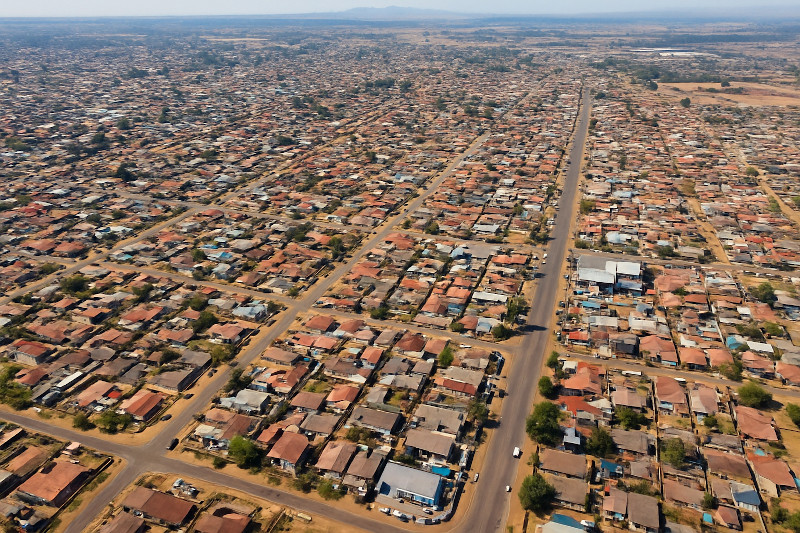
1.1 Geographic and socio-economic overview
Sebokeng forms part of the broader Vaal Triangle region, which includes Vanderbijlpark, Vereeniging, Sharpeville, and surrounding townships. It is positioned strategically near key industrial, educational, and commercial hubs, making it an attractive residential area for working professionals, families, and students.
The township’s socio-economic landscape is characterized by:
- A large working-class population
- Continuous in-migration due to affordability
- A youthful demographic profile
- Ongoing upgrades in infrastructure and service delivery
- Expanding consumer-focused amenities
These elements collectively support a stable demand for property sale in Sebokeng, particularly in the low- to middle-income residential market segments. The township’s accessibility, coupled with its affordability, makes it a strategic entry point into property ownership within Gauteng.
Contact us for more information.
1.2 Historical development trends
Historically, Sebokeng was developed as one of the largest townships during the mid-20th century to accommodate residents in the region. Over the years, it has expanded significantly, with increased government investment in housing, education, healthcare, and roads.
Urban development and municipal programs have contributed to:
- Growth in formal housing stock
- Increased commercial property activity
- Expanded public transport infrastructure
- Improved access to utilities
As the township continues to modernize, the scope and complexity of property sale in Sebokeng expand accordingly, offering opportunities across multiple types of real estate transactions.
| Unit | Residents | Area |
| Sebokeng Unit 3 | 18.680 | 3,27 km² |
| Sebokeng Unit 6 | 6.357 | 1,49 km² |
| Sebokeng Unit 8 | 2.296 | 0,31 km² |
| Sebokeng Unit 10 | 15.484 | 5,42 km² |
| Sebokeng Unit 11 | 12.859 | 1,26 km² |
| Sebokeng Unit 12 | 27.432 | 3,23 km² |
| Sebokeng Unit 13 | 19.251 | 2,03 km² |
| Sebokeng Unit 14 | 17.652 | 2,15 km² |
| Sebokeng Unit 16 | 2.750 | 0,42 km² |
| Sebokeng Unit 17 | 7.425 | 2,12 km² |
| Sebokeng Unit 19 | 2.953 | 0,91 km² |
2. The Current Real Estate Market in Sebokeng
2.1 Market demand analysis
Demand for residential property in Sebokeng is primarily driven by:
- First-time home buyers seeking affordability
- Investors focusing on rental demand
- Families expanding into larger dwellings
- Individuals relocating from informal to formal housing
Residential properties priced within low- to medium-income brackets consistently generate the highest buyer interest. Additionally, the presence of tertiary institutions and colleges in the Vaal region strengthens rental demand for rooms, backyard flats, and subdivided dwellings. This places Sebokeng among the more attractive townships for long-term rental investment.
2.2 Property types available in Sebokeng
The market for property sale in Sebokeng comprises several property categories:
2.2.1 Standard residential houses
These include formal, stand-alone structures typically consisting of:
- 2 to 4 bedrooms
- Basic or upgraded interiors
- Private yards
- Access to essential municipal services
These homes constitute the bulk of the residential landscape.
2.2.2 Four-room township houses
A traditional township housing typology, these properties appeal to buyers seeking affordability and renovation potential. They often attract buyers intending to upgrade and extend the homes over time.
2.2.3 RDP houses and subsidised units
Government-built RDP houses form a significant part of Sebokeng’s property supply. While resale of such units is regulated, they remain sought after for affordability.
2.2.4 Modern developments and newly built homes
Private developers have introduced modern, architecturally updated homes designed for:
- Middle-income professionals
- Small families
- Individuals seeking contemporary finishes
These units often include security features, improved layouts, and higher-quality materials.
2.2.5 Rental-oriented investment properties
Many homeowners in Sebokeng have expanded or converted properties to include:
- Outside rooms
- Student accommodation units
- Backyard flats
- Multi-tenant dwellings
The strong rental market makes such properties particularly attractive to investors.
2.3 Pricing dynamics in Sebokeng
Property prices in Sebokeng vary across zones, development types, and property conditions. While specific values fluctuate over time, the overall trend shows steady appreciation linked to:
- Improved infrastructure
- Increased buyer interest
- Expanding economic activity
- Upgrading of older homes
For investors or buyers seeking entry into the Gauteng property market, property sale in Sebokeng consistently offers one of the best price-to-value ratios in the province.
3. Why Property Sale in Sebokeng Is Gaining Popularity
3.1 Strategic geographic positioning
Sebokeng’s proximity to major employment and commercial centers strengthens its appeal. The township has easy access to:
- Vanderbijlpark industrial zones
- Vereeniging CBD
- Johannesburg (via major highways)
- Educational institutions such as VUT and Sedibeng College
This makes commuting simpler for residents, thus increasing residential demand.
3.2 Strong rental market
The combination of population density and limited formal rental housing stock ensures consistently strong demand across rental price brackets. Investors can achieve strong occupancy rates due to:
- High student population
- Working professionals needing affordable accommodation
- Families transitioning into formal housing
The stable rental environment plays a crucial role in the popularity of property sale in Sebokeng for long-term investment.
3.3 Affordability relative to other Gauteng areas
Compared to Johannesburg, Soweto, or Ekurhuleni, Sebokeng offers significantly more affordable entry into homeownership. Buyers can secure larger stands or more spacious homes within lower pricing ranges. For sellers, this affordability draws a larger pool of potential buyers.
3.4 Infrastructure and commercial development
Over the past decade, Sebokeng has seen improvements in:
- Roads and transport networks
- Water and electricity infrastructure
- Healthcare facilities
- Retail developments and shopping centers
As municipal and private-sector investments continue, the attractiveness of property sale in Sebokeng grows accordingly.
4. Detailed Zone-by-Zone Analysis of Sebokeng
Each zone within Sebokeng has unique characteristics that influence market value, buyer interest, and investment potential.
4.1 Sebokeng Zone 6 & Zone 7
These zones feature well-established residential areas with a mixture of:
- Standard houses
- Renovated properties
- Upgraded RDP units
They are sought after due to proximity to schools and established amenities.
4.2 Sebokeng Zone 10
A highly active market zone with:
- Newer homes
- Improved municipal planning
- Strong family-oriented communities
Prices are higher here due to better infrastructure and property conditions.
4.3 Sebokeng Zone 14
Zone 14 offers larger stands and considerable rental potential. Investors interested in multi-unit developments often target this zone.
4.4 Emerging Development Corridors
New housing projects and modern developments continue to reshape parts of Sebokeng. These attract professional buyers seeking modern, low-maintenance properties.
A detailed zone-by-zone understanding is essential for achieving success in property sale in Sebokeng, especially for high-return investment decisions.
5. Professional Buyer’s Guide: Navigating Property Sale in Sebokeng
Purchasing property requires strategic planning, financial readiness, and careful evaluation.
5.1 Establish a clear budget framework
Professional buyers should consider:
- Bond affordability
- Transfer duties
- Conveyancing fees
- Monthly municipal rates
- Potential renovation costs
- Insurance and maintenance commitments
Pre-approval from financial institutions enhances buyer credibility in negotiations.
5.2 Due diligence and research
Before committing to any property sale in Sebokeng, buyers must:
- Review recent sales data
- Compare properties across zones
- Assess neighborhood safety and amenities
- Confirm municipal service reliability
Professional due diligence mitigates future risks.
5.3 Physical property inspections
Buyers should inspect:
- Structural integrity
- Plumbing and electrical systems
- Potential illegal structures
- Stand boundaries
- Zoning compliance
A thorough inspection ensures that buyers avoid unexpected expenses after purchase.
5.4 Legal and administrative verification
It is crucial to verify:
- Ownership documentation
- Title deed status
- Outstanding municipal accounts
- Existing bonds or legal disputes
This step protects buyers from fraudulent property transactions.
5.5 Strategic negotiation
Understanding market value helps buyers negotiate effectively. Sellers in Sebokeng often remain open to fair negotiations, especially when buyers provide proof of financing.
Contact us for more information.
6. Professional Seller’s Guide: Optimising Property Sale in Sebokeng
Selling property in Sebokeng requires a strategic approach to pricing, preparation, presentation, and negotiation.
6.1 Accurate pricing strategies
A Comparative Market Analysis (CMA) is essential for:
- Setting competitive pricing
- Attracting qualified buyers
- Achieving quicker sales
Overpricing reduces buyer interest, while underpricing undermines potential profit.
6.2 Property preparation and enhancement
Minor improvements significantly increase perceived value:
- Applying fresh paint
- Repairing fixtures
- Improving curb appeal
- Cleaning and decluttering
A well-maintained home enhances buyer confidence and supports higher sale prices.
6.3 Marketing and presentation
Professional marketing strategies include:
- High-quality photography
- Online listings
- Video tours
- Detailed descriptions
- Targeted advertising
In the modern housing market, online visibility is vital for successful property sale in Sebokeng.
6.4 Selecting a professional real estate agent
Agents with local expertise provide:
- Accurate market assessments
- Knowledge of buyer behavior
- Legal and administrative guidance
- Effective marketing strategies
- Negotiation expertise
Partnering with a professional agent often results in higher selling prices and faster turnaround times.
Contact us for more information.
7. Investment Analysis: Opportunities and Risks in Sebokeng
7.1 Investment opportunities
Sebokeng offers numerous opportunities for investors, including:
7.1.1 Rental properties
High occupancy rates ensure stable rental income.
7.1.2 Multi-tenant developments
Large stands support backyard flats and additional rental units.
7.1.3 Student accommodation
Proximity to educational institutions allows investors to target student renters.
7.1.4 Commercial property
Retail spaces, workshops, and industrial units are in growing demand.
7.2 Investment risks
Investors should also consider:
- Occasional municipal service issues
- Documentation challenges with informal structures
- Market inconsistencies in certain zones
- Security considerations
Professional risk management ensures sustainable long-term returns.
8. Legal and Regulatory Considerations
Understanding South African property law is critical to successful real estate transactions.
8.1 Title deed regulations
8.2 RDP resale restrictions
8.3 Zoning and land-use compliance
8.4 Municipal clearance certificates
8.5 Bond registration and cancellation
A professional conveyancer ensures compliance with all legal requirements.
9. Future Growth Outlook for Property Sale in Sebokeng
Sebokeng’s real estate market is positioned for steady long-term growth due to:
- Population expansion
- Increased urbanisation
- Upgraded infrastructure
- Economic revitalization in the Vaal Triangle
- Ongoing residential development projects
These factors contribute to rising property values and sustained demand.
Conclusion
The market for property sale in Sebokeng continues to strengthen as the township experiences ongoing development, demographic growth, and increased buyer activity. Affordability, strategic location, strong rental demand, and expanding infrastructure make Sebokeng one of the most compelling real estate environments in Gauteng for homeowners, investors, and sellers.
With the proper knowledge, due diligence, and professional guidance, stakeholders can leverage the numerous opportunities within this dynamic market, ensuring profitable and sustainable real estate outcomes.
Areas in region Sebokeng
- Aerovaal
- Althea AH
- Arcon Park
- Bergsig – Heidelberg
- Bloempark AH
- Bolton Wold
- Bonanne
- Bophelong
- Buyscelia AH
- Daleside
- De Deur
- De Deur Estates
- Devon
- Dreamland AH
- Drieziek
- Drumblade AH
- Duncanville
- Endicott AH
- Evaton
- Evaton Small Farms
- Evaton West
- Falcon Ridge
- Fleurdal
- Flora Gardens
- Gardenvale A.H
- Garthdale A.H
- Glen Donald A.H
- Goba
- Golf Park
- Greenfields
- Heidelberg – GP
- Helderstrome AH
- Henley-on-Klip
- ighbury
- Homelands AH
- Homer
- Homestead Apple Orchards AH
- Houtkop AH
- Jordaanpark
- Kanana Park
- Klip River
- Klipwater
- Kookrus
- Kwenele
- Lamont Park AH
- Lasiandra AH
- Leeuhof
- Lochvaal
- Magagula Heights
- Mamello
- Meyerton
- Mngadi
- Mooilande AH
- Nelsonia AH
- Nooitgedacht IR
- Noordloch AH
- Ohenimuri
- Olifantsvlei
- Ophir AH
- Orange farm
- Overkruin
- Palime
- Peacehaven
- Poortje
- Powerville Park
- Ratanda-JHB
- Rensburg
- Risiville
- Riversdale
- Roods Gardens AH
- Rosashof AH
- Rothdene
- Rust Ter Vaal
- Rusticana AH
- Savanna City
- Schoongezicht AH
- Sharpeville
- Sky City
- Sonland Park
- Stretford
- Sylviavale AH
- The Balmoral Estates
- Theoville AH
- Three Rivers
- Tshepiso
- Tshepong
- Unitas Park
- Vaal Oewer
- Vaalmarina
- Vaalview AH
- Valley Settlement
- Van Der Merwes Kroon
- Vanderbijlpark
- Vereeniging
- Vereeniging NU
- Waldrift
- Walkers Fruit Farms SH
- Walkerville